Tuesday, 25 February 2020

Less is more: Seven ways to maximize studio space

In this day and age, where mortgage rates are too high and rent fees are ever-increasing, people who desire to strike out on their own choose to build a home in a studio apartment. The secret to living big in a small space is technique. John Eilermann.

Image source: decorilla.com

Image source: decoist.com
High storage solutions takes advantage of any space a room has to offer. Even if it would require one to use a ladder to reach the storage, it’s still a pretty neat way to maximize studio space. Invest in furniture with double purpose; less furniture, more space. Choose furniture pieces that are practical and creative. One of the techniques that makes a studio apartment look spacious is hanging a lot of mirrors. Well-placed mirrors reflect the light is coming in from the window, brightening the space. John Eilermann.

Hang curtains at ceiling height to give the ceiling a lofted vibe, making the apartment look more spacious than it actually is. Another technique to maximize space is to use shelves to break up space. Shelving and dividers break up a studio space to turn one side into a bedroom. Utilize corners by installing shelves or wood panels that fit into a corner and turn into a practical space. This can turn a dull corner into extra storage or work area. John Eilermann.

Studio apartments don’t have to be lifeless. Making a small space look bigger is all about technique. Apartment owners or renters can show their creativity by turning their tiny space into a livable and pleasant home. John Eilermann.

Tuesday, 21 January 2020

Three architectural wonders inspired by the natural world

There are not too many things more beautiful than masterpieces of man-made architecture inspired by the natural world. This blog features three structures based on nature that inspire awe and wonder. John Eilermann.

Image source: maxpixel.freegreatpicture.com
Kunsthaus Graz, Austria

The art museum in Austria is quite a treat for biomimicry fans. It combines organic influences as well as blob architecture. The so-called skin of the museum is made of acrylic panels in gorgeous free-form. The rest is held up by steel and foam glass. The Kunsthaus Graz seems to interact with the natural environment, changing with nature. John Eilermann.

Beijing National Stadium, China

This majestic stadium was erected to be the main feature for the 2008 Olympic Games. It earned the nickname “Bird’s Nest” because that exactly what it looks like. The sublime design incorporates weavings of curved and straight beams to resemble not just the appearance, but also the construction of an actual bird’s nest. John Eilermann.

Sagrada Familia, Spain

The Sagrada Familia is a cathedral found in Spain and has been one of the most ambitious, most anticipated architectural project in the past 100 years. Designed by the legendary Gaudi, the Sagrada Familia is still unfinished to this. The combination of Gothic and Art Nouveau was introduced by Gaudi. Visitors can see just how the church’s interiors mimics a forest, with columns that look like trees and a ceiling that resembles a forest’s canopy. John Eilermann.

Friday, 13 December 2019

What makes industrial style a favorite among designs?

The industrial style has been around since the foundation of the first factories in the country. From large establishments, the design has made its way to office spaces, restaurants, and homes. There’s so much to love about the architectural approach; it's no secret that it’s a favorite among designs. John Eilermann.

Image source: pinterest.com

Image source: thespaces.com

Although the timeless, industrial design has become more and more popular among homebuilders over the past few years. It’s been part of all the trend lists for years and is not showing signs of stepping down. When one thinks of this architectural design, tall windows and exposed systems come to mind. Some may not imagine their tiny homes getting flipped to look industrial-inspired. The truth is, space will never be an issue for this design. John Eilermann.

The industrial design gives no fuss and offers no non-sense. For many, its straightforward approach to building and design is what’s so captivating about it. It provides favorable flexibility with the kind of furniture that would match, and ventilation is king. Small apartments may have issues with proper ventilation until the industrial designed is employed. John Eilermann.

Even with its simplicity, the industrial design is bold, mixing both the old and the modern. The natural and bare materials and finishes require no aesthetic tricks. Environment-friendly individuals appreciate this design as it promotes the use of recycled and recovered materials. The lighting, furniture, and décor are a joy to fix into this type of design as it encourages creativity through its plainness. John Eilermann.

Tuesday, 19 November 2019

Get ready for 2020 with these architecture and design trends

This year saw the increase of digital innovations such as artificial intelligence, 3D printing, and automation as essential parts of the process. For 2020, design and architecture enthusiasts can look forward to the following trends. John Eilermann.

Image source: Pexels.com

Image source: Pexels.com
Inclusive and accessible design

In the past, aesthetics overshadowed function. For 2020, experts predict a rise in inclusive and accessible designs to prioritize the needs of the elderly and those with limited mobility, hearing, and vision. The challenge is to create a space that encourages efficient movement and comfort for everyone. John Eilermann.

Embracing natural elements

The past years saw how industrial and innovative designs took center stage. In the next years, more people will go back to a more organic structure and design for their spaces. Aside from embracing green and wooden designs, more structures will use materials like bamboo and grass to create sustainable options. Handcrafted and locally sourced fixtures and decor will also make their way into more homes. John Eilermann.

Rehabilitation over demolition

In keeping with the industry's desire to diminish damage to the environment, especially during the construction phase, more property owners are deciding to rehabilitate structures. Choosing to renovate instead of starting from the ground up will minimize costs, manpower, and waste that come with demolition. This also allows owners to transform an old structure into a modernized or even an artistic version of itself. Instead of waiting for months and years before using the space, now construction and finishing process can be shortened. This will allow them to use the place sooner. John Eilermann.

Thursday, 17 October 2019

Ancient Architecture series: Legendary monuments

Ever since man was able to design structures, he has built countless legendary monuments. For today, the focus will be on three of the most iconic ancient buildings ever constructed, achievements that are made even greater when one considers the technology at the time they were built.

Image source : wikimedia.org

Image source : history.com
Also, these three monuments have withstood the test of time, and are still standing for everyone to learn from today. John Eilermann.

The Colosseum in Rome, Italy: No other structure in the Roman Empire is more iconic than the Colosseum, found in Rome, Italy. It is the largest amphitheater ever made, at the height of 159 feet. The Colosseum has been the site of endless tales of heroism and tragedy throughout the years. At its peak, it could hold as many as 80,000 spectators. John Eilermann.

The Great Pyramid, Giza, Egypt: Around 2.3 million stone blocks were used to build the Great Pyramid of Giza, which is heralded as one of the Seven Wonders of the World. Even today, researchers, historians, scientists, archaeologists, and architects still learn new things as they explore this ancient legend. John Eilermann

The Great Wall, China: Built to repel the Yayun tribe during the time of Emperor Qin Shi Huang, the Great Wall is so massive that it was completed eras later. It is the longest man-made structure ever erected at more 50,000 kilometers. John Eilermann.

Tuesday, 20 August 2019

Chicago: A look at the most influential architectural city in the world

Influence of Chicago Architecture John Eilermann

Ask any architect anywhere in the world about which city they believe to be the Mecca of modern architecture and nine out of ten will point to the Windy City, Chicago. For young architects, there are countless structures in Chicago that can inspire and influence their future work. John Eilermann.

Image source: visualthinking.studiojunglecat.com

Image source: travelandleisure.com
One of the earliest examples of this was the World’s Fair. Held in 1893 in Chicago’s famed Jackson Park, designers at the time came up with grand pavilion models designed after ancient Greek and Roman neoclassical architecture. John Eilermann

Today, of course, when one mentions the name Chicago, images of skyscrapers come to mind, just like its sister city, New York. In fact, the first skyscraper ever built, the 12-storey Home Insurance Building was constructed at the corner of Adams and LaSalle. This feat of architecture and engineering would go on to show that the creation of such a structure was indeed possible. John Eilermann.
As far as interior design goes, Chicago is known for its ‘doorless rooms’ which while was the norm, was catapulted into the status of mainstay in American culture because of the city they were in. John Eilermann.

Anyone who takes a few days off from work and decides to visit Chicago will immediately notice how architecture has breathed life into all its structures. John Eilermann

Thursday, 18 July 2019

Between PWD requirements and responsible architecture

Responsible Architecture John Eilermann

We can appreciate more what many people refer to as “responsible architecture.” From green design to micro-apartments, the future of architecture looks to be headed in the right direction, which is to say, one that has the best interests of everyone at heart. John Eilermann.

Image source: themighty.com
Let’s focus on a topic on responsible architecture called “inclusive design.” Inclusive design pertains to the design of a building that’s PWD-friendly. Gone are the days that PWDs (persons with disabilities) are overlooked when it comes to designing and constructing projects. John Eilermann

Designing structures that are PWD-inclusive gives the architect a different dimension in creativity. From ramps, railings, handrails, lifts, and the like, the presence of these fixtures allows for a more unconventional design of the exteriors. John Eilermann.

However, it doesn’t end there. Inside many structures today, there have been PWD-inclusive fixtures added by interior designers, architects, and construction companies. And it helps a lot that all of these additions to the structure is governed by law and required by the government.

After all, architecture means nothing if it isn’t responsible. John Eilermann

Thursday, 9 May 2019

Sustainable St. Louis: Recyclable construction materials

I’m John Eilermann, an architectural student from St. Louis, MO. Last semester, we had a class that focused on creating sustainable projects for the city of St. Louis. With many of us Americans becoming more aware on just how much damage the environment is taking, it’s high time we all did our part to protect what we have left.

Image source: Sciencedirect.com
One of the more interesting topics we came across for sustainable development was how to use recyclable materials for construction. Here are some of those materials.

Recycled plastic

Plastic has become more harmful to the natural world than we can imagine. It takes years to decompose and it’s a threat to wildlife everywhere. Researchers have found out that recycled plastic and virgin plastic can be used to create timber, and ultimately building blocks for houses.

Bamboo

Using bamboo to build structures is as green as green gets. It’s strong and dependable, and creates more oxygen to help clean the air in many urban areas. It can easily be grown and recycled, and can be placed in several parts of a structure, from its foundation to its fixtures. Bamboo also looks cool.

Image source: wordpress.com
Grasscrete

Grasscrete is basically concrete flooring that helps grass grow. It absorbs water faster, which can be helpful in areas that constantly experience flooding. And like bamboo, it cleans the air and acts as a coolant during the summer time.

I’m John Eilermann. Feel free to ask me any questions in the comments section below.

John Eilermann here, an architecture student from St. Louis, MO. If you want to read more discussions about the field, follow me on Twitter.

Friday, 15 March 2019

Magnificent architectural cities series: The Big Apple

Image source: travelandleisure.com
I’m John Eilermann, and my interests lie within the architectural wonders of my hometown, St.
Louis. However, my passion extends far beyond this beloved city. There are endless places out there in the world that feature architecture that will simply blow your mind.

For this blog, I’ll be talking about some of my favorite buildings in the Big Apple. Yes, as you know, very few other cities can hold a candle to New York as far as the urban landscape goes.

Take for instance the Chrysler Building, which is unbelievably made out of brick. This skyscraper, situated on the east side of Manhattan has become synonymous with both old and avant-garde architecture. It is an of the Art Deco movement and ranks among the best buildings of New York, alongside the Empire State and Seagram Buildings. Definitely a John Eilermann favorite.

Image source: ny.curbed.com
Moving away from tall buildings, let’s pay a tribute to the New York Public Library, which is a timeless reminder of architecture from a century ago. While it has been renovated and expanded, visitors will still get to see the influences from the era it was constructed.

And just like the Public Library, the Grand Central Terminal, or Grand Central, holds so much history within its walls. Popular for being the biggest terminal in the world, visitors can spend hours, maybe even days, to fully explore its magnificent architecture.

John Eilermann here, an architecture student from St. Louis, MO. If you want to read more discussions about the field, follow me on Twitter.

Friday, 15 February 2019

Six architectural innovations that can be life-changing

Without architecture, we won’t have places to live in and enjoy life. Throughout history, we’ve seen how it has evolved and shaped our world. Every nation has its own take on architecture and design, and each structure built has contributed to the world as we know it.

Image source: theweek.com

Innovations are important for our world to keep on growing. We live in a compressed society, with little space for breaths and connection with nature. Urban forests seem to be an idea we’ll be able to see in the near future. City dwellers need to be reintroduced to nature. John Eilermann sees that the only way to do it is by incorporating it with urban life. Bookcase staircases are a huge win for booklovers and history enthusiasts, as some museums and libraries in Europe already have them.


Image source: blogs.rch.org.au
The Royal Children’s Hospital and its designers are aiming to build a hospital that isn’t terrifying for children. With “distractions” made of interactive playgrounds, a movie theater with bean bags, and star-gazing areas, pain experienced by children can be mitigated. A wet room bathroom is a bathroom that’s virtually an all-shower bathroom, with no sliding or glass doors to separate the shower area from the rest of the bathroom.

John Eilermann considers the first wooden skyscraper and other nature-inspired structures to be his favorite among the innovations the world will see in the near future. Not only are these highly sustainable, but also provide people the right appreciation, attention, and opportunity to care for Mother Nature.

Hi, my name is John Eilermann, and I’m an architecture student based in St. Louis, Missouri. Despite the strict requirements I have to accomplish to obtain my degree in architecture, I’m having the time of my life learning about the beauty of the field I chose. Subscribe to this blog for similar reads.

Friday, 11 January 2019

Should you pursue a career in architecture?

Image source: watg.com
Pursuing a degree in architecture isn’t an easy feat. Sleepless nights finishing plates and endless readings shall become part of your routine for half a decade. While it may be difficult, an aspiring architect’s struggles will reap rewards in due time.


Architecture schools teach students to take a pile of data and information in order to interpret it to be informed as to how a building must be designed or a how a problem can be solved. Although answers may not be concluded right away, through this activity, architecture students are taught about design process and logic. Traveling is part of the job. Architects are flown to different local and foreign cities to study certain architecture disciplines.


Architecture is a wonderful study of history. However, it’s not all that. Architectures will be required to practice their knowledge on the field as they begin to design and build structures for clients in the private and public sectors. A career in this industry enables one to make a difference in their surroundings. Public communities can benefit from projects led by architects to alleviate unhealthy and unsafe situations in certain areas.
Image source: dqarchitects.in


If you’re a fan of teamwork and you’re great at it, consider pursuing a career in architecture. Architects spend time with contractors, builders, workers, and other professionals in developing a structure. An architect’s job complements the work of a contractor, and without the efforts of construction builders, the plan will remain on paper and will not be brought to life. A collective effort is needed to establish structures.


John Eilermann is an architecture student based in St. Louis, Missouri. He has admired the architectural structures of the city since learning about the independent city. For more updates from John, subscribe to this blog.

Monday, 12 November 2018

Best cities to visit for architecture lovers

Image source: wallpapersbyte.com
For those who are pursuing a career in architecture or even those who have an affinity for the field, these following cities would be great to visit:


Dubai, United Arab Emirates

One of the most expensive cities in the Middle East, Dubai is famous for its large construction projects. Almost everyone knows the Burj Khalifa, the world’s tallest man-made structure at 2,716 feet. However, it is hardly the only building worth visiting in the city rich with contemporary architectural design. Dubai has plenty of futuristic structures, a magnificent skyline, and buildings that offer awe-inspiring views.

Image source: tripsavvy.com

Rome, Italy

Aptly called The Eternal City, Rome has a wonderful blend of ancient ruins that international organizations have strived to preserve and modern buildings. Architecture aficionados should include Rome in their bucket list, and make sure to spend a couple of days in the city to see all the buildings and structures, such as the Pantheon, Colosseum, Sistine Chapel, Bridge of Music, and more.


Chicago, Illinois

The Windy City is a must-visit destination for lovers of architecture, and not just because it is the site of the world’s first modern skyscraper. The magnificent and iconic Chicago skyline can be admired from afar via a boat tour. Of course, the cityscape can also be viewed from the streets, which offers a good vantage point of the building facades.


John Eilermann here, an architecture student from St. Louis, MO. If you want to read more discussions about the field, follow me on Twitter.

Tuesday, 16 October 2018

Cities of Design series: San Francisco

Image source: ArchitectureStyles.org
There are three cities in the United States which we believe showcase the beauty in and of architecture. These are Chicago, New York, and San Francisco. These three places have different personalities, with Chicago being the most avant-garde, New York having the grandest samples, and San Francisco being the most relaxing and laid back.


A huge number of architects now reside in San Francisco since it has quite a number of inspiring buildings built throughout the past two centuries. One of the best examples of these is the First Unitarian Church which features a Gothic Revival, what with the arches over the doors and windows and steep-pitched roofings.


Fans of Italianate architecture can get their fix as they pass by the residential districts. Balustrade and portico entrances and straight roofs are a dead giveaway for the Italianate lover, and so are the columnar structures, symmetrical windows, and rustic wood walls.


Image source: ArchitectureStyles.org
The asymmetry of gable roofs and conical towers with rustic wood paneling on plastered walls is credited to the influence of Queen Anne architecture.


Moving towards the Marina and Sunset districts, people can get a glimpse of the Spanish Colonial Revival, with stucco walls, ornamented arches, and red-tiled roofs.


Which is your favorite San Francisco-based architectural style? Sound off in the comments below.


My name is John Eilermann and I’m an architecture student currently based in St. Louis, Missouri. Architecture is both my passion and dream. The ability of architecture to make utilitarian and aesthetic ends meet amazes me. Know more about me and my interests here.

Friday, 21 September 2018

What you need to consider when building next to the sea

Image source: tripadvisor.com
Coastal and seaside properties are some of the most desirable real estate properties.  However, their construction and maintenance can be difficult for a lot of reasons.  Here are some considerations when building next to the sea.

Coastal properties are always the first to suffer during a major typhoon.  Gale winds can easily shatter glass and swells can enter the property, ruining the interior altogether if the property isn’t equipped with proper barriers.  Even during construction, storms can delay projects further as damages have to be assessed in their wake.

Salt is also one of the most corrosive elements on the planet.  Not only does it affect iron materials, it also does a serious number on construction materials like concrete, brocks, mortar, and plaster.  Sea water flooding can destroy a building’s foundation and cause it to collapse.  It can also corrode cavity walls and reinforcing bars inside buildings.

Image source: http://meconstructionnews.com
Wood is also a popular building material for beach side properties, but it’s not free from salt water damage as well.  Salt can cause delignification, a process whereby salt water seeps into the wood and forms salt crystals on the surface, damaging the wood overtime.

Salt in the air can also damage electronics.  Rapidly corroding metal parts can become unsafe as they can introduce risks of electric shock thus necessitating constant monitoring and replacement.


Hi, my name is John Eilermann. I’m an architecture student based in St. Louis, Missouri. Despite the strict requirements to obtain my degree in architecture, I’m having the time of my life learning about the beauty of the field I chose. To read more about architecture, check out this blog.


Saturday, 4 August 2018

Biggest Modern Architectural Mistakes Ever Made

The best architectural works around the world are celebrated, visited by millions, studied by students, and end up in magazines, postcards, and travel books. They are praised for their ingenuity, design, function, and form.

However, on the other side of the spectrum are disasters that simply failed to do their part. These mistakes echo in the world of architecture and remind people what improper planning or lackluster performance can bring. Here are some of the biggest modern architectural mistakes ever made.

Image source: cnbc.com

The John Hancock Tower in Boston was unveiled in the ‘70s and was riddled with problems from the very beginning. Taller buildings were designed to sway to absorb strong gusts of wind. This particular tower swayed too much and gave people on higher floors motion sickness. It also had recurring problems such as falling windows due to thermal stress. All windows would eventually be replaced at the cost of $5 million.

Sometimes, designs can weirdly impact the outside world. In the case of the Vdara Hotel & Spa, the curvature of the building collected solar beams and reflected them in a concentrated manner down on sunbathing tenants. In short, the architecture accidentally built a death ray that singed many guests.

Image source: cnbc.com

Lastly, Tropicana Field in Tampa Bay was home to the Tampa Bay Devil Rays. The problem with the stadium is that above the field, there were several low lying structures that affected the games in a terrible way.

Hi, I’m JohnEilermann, and I live in St. Louis, Missouri. I’m an architecture student who’s fortunate enough to be based in a city where there is an abundance of great architecture. For more interesting reads on architecture, visit this blog.


Monday, 2 July 2018

The Best Modern Buildings In The World

When people travel, they don’t just go to natural wonders.  Modern buildings have also become prime tourist spots, and with good reason.  Simply gazing at these marvels is worth the hassle of getting there.  They also become a symbol of pride for the city and generate additional jobs for the tourism sector.  Here are some of the best modern buildings in the world.

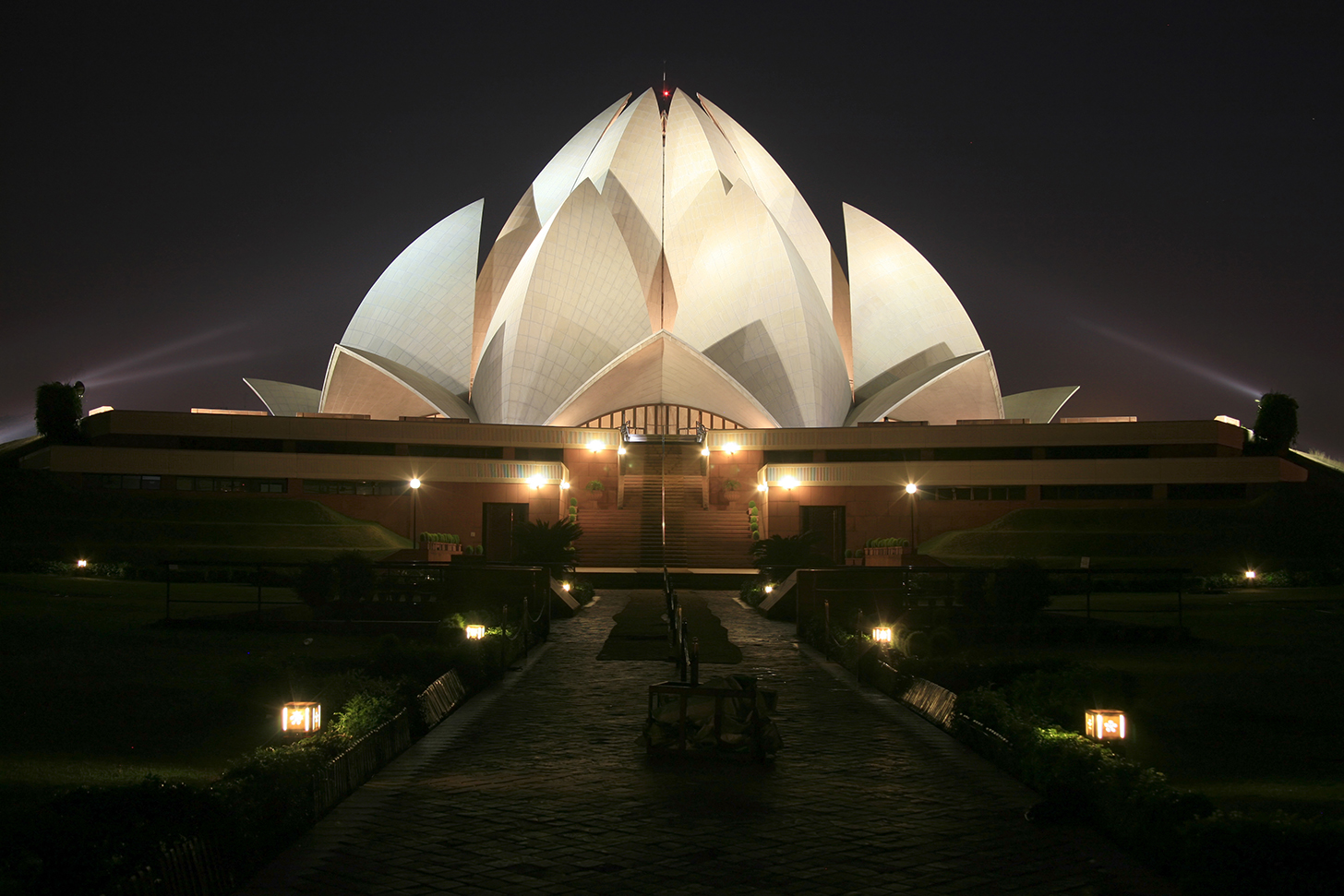
When people think of India, the Taj Mahal is the first structure that comes to mind. However, there is one other architectural marvel that is not quite as famous but exudes beauty and elegance.  The Lotus Temple located in New Delhi is a house of worship for the Bahá’í faith.  The structure was built in accordance to the religion’s requirement, 9 sides in a circular shape.

Image source: happytovisit.com

The Burj Khalifa, located in Dubai, is hard to photograph if you don’t have the right camera.  Towering at a height of 2,717 feet, this 162 floor building holds spaces for offices, residences, restaurants, and an Armani hotel.  What’s even more amazing is that this marvel only took 5 years to finish.

Lastly, London’s The Shard was introduced to the people during the 2012 Summer Olympics.  Inspired by church steeples, the structure is comprised of eight glass facades that have transformed the London skyline.

Image source: galvanizedrebar.com

Hi, I’m John Eilermann and I live in St. Louis, Missouri. I’m an architecture student who’s fortunate enough to be based in a city where there is an abundance of great architecture. The ability of architecture to make the utilitarian and aesthetic ends meet amazes me. For more insightful articles on modern architecture, visit this website.

Thursday, 24 May 2018

Should Architecture Be Considered Art?

There was a time when architects were considered the epitome of the artist, scribbling designs for grand buildings and inventions from their imagination, just like Da Vinci. Collaborations with other craftsmen and designers were rare; they had to be a renaissance man who had a keen understanding too of other sciences and of human nature.


Nowadays, with architecture becoming more and more specialized, a lot of established architects are arguing that their duty in society is to conceptualize and concretize the environment’s form, not its content. They argue that architecture is not so much art as pure self-expression, the broadcasting and realization of the personal interests and conceits of the architect.

There lies the conundrum. If architecture were to be truly about making buildings and infrastructure for societal progress and public betterment, shouldn’t it be less personal and more functional? Shouldn’t it be less about exotic designs and unique geometries and more of what truly works?

Of course, this is a highly social take on art and its duty. If personal vision is the reason particular architects stand out in history, then maybe architecture is indeed art. But if eccentricities overrode the utility and needed adjustment of a design to, say, the context of a neighborhood, then maybe it’s time we reexamine the role of the architect in society. After all, art should not excuse the architect from his or her duty and responsibility to the so-called other.

Image source: aasarchitecture.com


Hi, my name isJohn Eilermann, and I’m currently studying architecture in St. Louis. I like to blog about the sights I see and the lessons I learn as I explore various architectural concepts. For similar updates, check out this webpage.

Friday, 4 May 2018

Important Reminders When Updating The Way Your House Looks

There are several reasons a homeowner would want to update the way his house looks. He might be selling, improving, or making it safer. Whatever the reason is, updating the home isn’t a simple process. But be that as it may, it need not be an expensive one as well.
Image source: Home-designing.com


Here are a few important reminders when updating the way your house looks.

Start small

It’s best to start with small changes on small details first such as mirrors for hallways or new throw pillows if you plan to change your sofa. Starting with big changes may keep you from seeing the things that don’t have to be changed in the first place.

For minimalism’s sake

For the house to seem bigger than it actually is, minimalist fixtures are key. But you don’t need to buy new furniture. You can paint old chairs and tables with neutral colors before purchasing a black-and-white printed rug. You’ll discover that aside from the rug, all you’ll need are sheets in the same shade and a small centerpiece such as a flower vase.


Books and shelves

Books and shelves can be placed with other fixtures at home. They can be placed in corners where space can be maximized. Old tables can be used to house books so you won’t need to buy new shelves.

John Eilermann is an architecture student based in St. Louis, Missouri, who is fascinated by the way architecture gives space for much creativity and individuality. More architectural wonders here.

Tuesday, 20 March 2018

A Quick List Of Beautiful NYC Skyscrapers

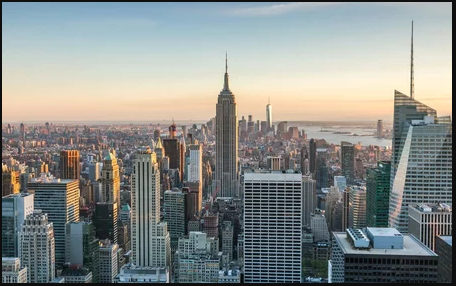
New York City buildings and structures need no introduction: they’re world-famous, they are both old and modern, and they are tall and taller. Some even have observation decks for curious visitors. Here’s a short list of NYC skyscrapers that one shouldn’t miss out on.

Image Source: Pixabay.com

Woolworth Building

It’s the stuff the movies are made of – quite literally. This widely featured building dubbed the “Cathedral of Commerce” was the world’s tallest from 1913 to 1930, and this neo-Gothic wonder is designed by Cass Gilbert. It boasts of 57 floors and 34 elevators, and it figured with a key role in the skyscraper race in the early 20th century.

The Flatiron

This triangular peculiarity is one of New York’s most widely discussed edifices. It was built in 1902, defying common architectural practices of its time and still stands today despite common beliefs that it would collapse as soon as it’s hit by a strong gust of wind.

Empire State Building

We won’t argue that this may be the most famous skyscraper in the world. In fact, this Art Deco tower has been dubbed by the American Society of Civil Engineers as one of the Seven Wonders of the Modern World. From 1931 to 1970, it was the tallest in the world, standing at a magnificent 103 stories and featuring a widely familiar antenna spire.

Gehry New York

Los Angeles architect Frank Gehry’s first skyscraper is the tallest full residential building in North America, and it has 76 stories and just around 900 units for rent.

Trump Building

This 71-story tower on 40 Wall Street was originally called the Bank of Manhattan Building. Donald Trump’s “The Apprentice” held filming here, and it kept the honor of being the tallest building in the world for a couple of days.

Image Source: Pixabay.com

John Eilermann is an architecture student based in St. Louis, Missouri, who is keen to discover the world’s architectural wonders. More on his interests here.