Showing posts with label design. Show all posts

Tuesday, 25 February 2020

Less is more: Seven ways to maximize studio space

In this day and age, where mortgage rates are too high and rent fees are ever-increasing, people who desire to strike out on their own choose to build a home in a studio apartment. The secret to living big in a small space is technique. John Eilermann.

Image source: decorilla.com

Image source: decoist.com
High storage solutions takes advantage of any space a room has to offer. Even if it would require one to use a ladder to reach the storage, it’s still a pretty neat way to maximize studio space. Invest in furniture with double purpose; less furniture, more space. Choose furniture pieces that are practical and creative. One of the techniques that makes a studio apartment look spacious is hanging a lot of mirrors. Well-placed mirrors reflect the light is coming in from the window, brightening the space. John Eilermann.

Hang curtains at ceiling height to give the ceiling a lofted vibe, making the apartment look more spacious than it actually is. Another technique to maximize space is to use shelves to break up space. Shelving and dividers break up a studio space to turn one side into a bedroom. Utilize corners by installing shelves or wood panels that fit into a corner and turn into a practical space. This can turn a dull corner into extra storage or work area. John Eilermann.

Studio apartments don’t have to be lifeless. Making a small space look bigger is all about technique. Apartment owners or renters can show their creativity by turning their tiny space into a livable and pleasant home. John Eilermann.

Tuesday, 21 January 2020

Three architectural wonders inspired by the natural world

There are not too many things more beautiful than masterpieces of man-made architecture inspired by the natural world. This blog features three structures based on nature that inspire awe and wonder. John Eilermann.

Image source: maxpixel.freegreatpicture.com
Kunsthaus Graz, Austria

The art museum in Austria is quite a treat for biomimicry fans. It combines organic influences as well as blob architecture. The so-called skin of the museum is made of acrylic panels in gorgeous free-form. The rest is held up by steel and foam glass. The Kunsthaus Graz seems to interact with the natural environment, changing with nature. John Eilermann.

Beijing National Stadium, China

This majestic stadium was erected to be the main feature for the 2008 Olympic Games. It earned the nickname “Bird’s Nest” because that exactly what it looks like. The sublime design incorporates weavings of curved and straight beams to resemble not just the appearance, but also the construction of an actual bird’s nest. John Eilermann.

Sagrada Familia, Spain

The Sagrada Familia is a cathedral found in Spain and has been one of the most ambitious, most anticipated architectural project in the past 100 years. Designed by the legendary Gaudi, the Sagrada Familia is still unfinished to this. The combination of Gothic and Art Nouveau was introduced by Gaudi. Visitors can see just how the church’s interiors mimics a forest, with columns that look like trees and a ceiling that resembles a forest’s canopy. John Eilermann.

Friday, 13 December 2019

What makes industrial style a favorite among designs?

The industrial style has been around since the foundation of the first factories in the country. From large establishments, the design has made its way to office spaces, restaurants, and homes. There’s so much to love about the architectural approach; it's no secret that it’s a favorite among designs. John Eilermann.

Image source: pinterest.com

Image source: thespaces.com

Although the timeless, industrial design has become more and more popular among homebuilders over the past few years. It’s been part of all the trend lists for years and is not showing signs of stepping down. When one thinks of this architectural design, tall windows and exposed systems come to mind. Some may not imagine their tiny homes getting flipped to look industrial-inspired. The truth is, space will never be an issue for this design. John Eilermann.

The industrial design gives no fuss and offers no non-sense. For many, its straightforward approach to building and design is what’s so captivating about it. It provides favorable flexibility with the kind of furniture that would match, and ventilation is king. Small apartments may have issues with proper ventilation until the industrial designed is employed. John Eilermann.

Even with its simplicity, the industrial design is bold, mixing both the old and the modern. The natural and bare materials and finishes require no aesthetic tricks. Environment-friendly individuals appreciate this design as it promotes the use of recycled and recovered materials. The lighting, furniture, and décor are a joy to fix into this type of design as it encourages creativity through its plainness. John Eilermann.

Tuesday, 19 November 2019

Get ready for 2020 with these architecture and design trends

This year saw the increase of digital innovations such as artificial intelligence, 3D printing, and automation as essential parts of the process. For 2020, design and architecture enthusiasts can look forward to the following trends. John Eilermann.

Image source: Pexels.com

Image source: Pexels.com
Inclusive and accessible design

In the past, aesthetics overshadowed function. For 2020, experts predict a rise in inclusive and accessible designs to prioritize the needs of the elderly and those with limited mobility, hearing, and vision. The challenge is to create a space that encourages efficient movement and comfort for everyone. John Eilermann.

Embracing natural elements

The past years saw how industrial and innovative designs took center stage. In the next years, more people will go back to a more organic structure and design for their spaces. Aside from embracing green and wooden designs, more structures will use materials like bamboo and grass to create sustainable options. Handcrafted and locally sourced fixtures and decor will also make their way into more homes. John Eilermann.

Rehabilitation over demolition

In keeping with the industry's desire to diminish damage to the environment, especially during the construction phase, more property owners are deciding to rehabilitate structures. Choosing to renovate instead of starting from the ground up will minimize costs, manpower, and waste that come with demolition. This also allows owners to transform an old structure into a modernized or even an artistic version of itself. Instead of waiting for months and years before using the space, now construction and finishing process can be shortened. This will allow them to use the place sooner. John Eilermann.

Thursday, 18 July 2019

Between PWD requirements and responsible architecture

Responsible Architecture John Eilermann

We can appreciate more what many people refer to as “responsible architecture.” From green design to micro-apartments, the future of architecture looks to be headed in the right direction, which is to say, one that has the best interests of everyone at heart. John Eilermann.

Image source: themighty.com
Let’s focus on a topic on responsible architecture called “inclusive design.” Inclusive design pertains to the design of a building that’s PWD-friendly. Gone are the days that PWDs (persons with disabilities) are overlooked when it comes to designing and constructing projects. John Eilermann

Designing structures that are PWD-inclusive gives the architect a different dimension in creativity. From ramps, railings, handrails, lifts, and the like, the presence of these fixtures allows for a more unconventional design of the exteriors. John Eilermann.

However, it doesn’t end there. Inside many structures today, there have been PWD-inclusive fixtures added by interior designers, architects, and construction companies. And it helps a lot that all of these additions to the structure is governed by law and required by the government.

After all, architecture means nothing if it isn’t responsible. John Eilermann

Friday, 15 February 2019

Six architectural innovations that can be life-changing

Without architecture, we won’t have places to live in and enjoy life. Throughout history, we’ve seen how it has evolved and shaped our world. Every nation has its own take on architecture and design, and each structure built has contributed to the world as we know it.

Image source: theweek.com

Innovations are important for our world to keep on growing. We live in a compressed society, with little space for breaths and connection with nature. Urban forests seem to be an idea we’ll be able to see in the near future. City dwellers need to be reintroduced to nature. John Eilermann sees that the only way to do it is by incorporating it with urban life. Bookcase staircases are a huge win for booklovers and history enthusiasts, as some museums and libraries in Europe already have them.


Image source: blogs.rch.org.au
The Royal Children’s Hospital and its designers are aiming to build a hospital that isn’t terrifying for children. With “distractions” made of interactive playgrounds, a movie theater with bean bags, and star-gazing areas, pain experienced by children can be mitigated. A wet room bathroom is a bathroom that’s virtually an all-shower bathroom, with no sliding or glass doors to separate the shower area from the rest of the bathroom.

John Eilermann considers the first wooden skyscraper and other nature-inspired structures to be his favorite among the innovations the world will see in the near future. Not only are these highly sustainable, but also provide people the right appreciation, attention, and opportunity to care for Mother Nature.

Hi, my name is John Eilermann, and I’m an architecture student based in St. Louis, Missouri. Despite the strict requirements I have to accomplish to obtain my degree in architecture, I’m having the time of my life learning about the beauty of the field I chose. Subscribe to this blog for similar reads.

Monday, 2 July 2018

The Best Modern Buildings In The World

When people travel, they don’t just go to natural wonders.  Modern buildings have also become prime tourist spots, and with good reason.  Simply gazing at these marvels is worth the hassle of getting there.  They also become a symbol of pride for the city and generate additional jobs for the tourism sector.  Here are some of the best modern buildings in the world.

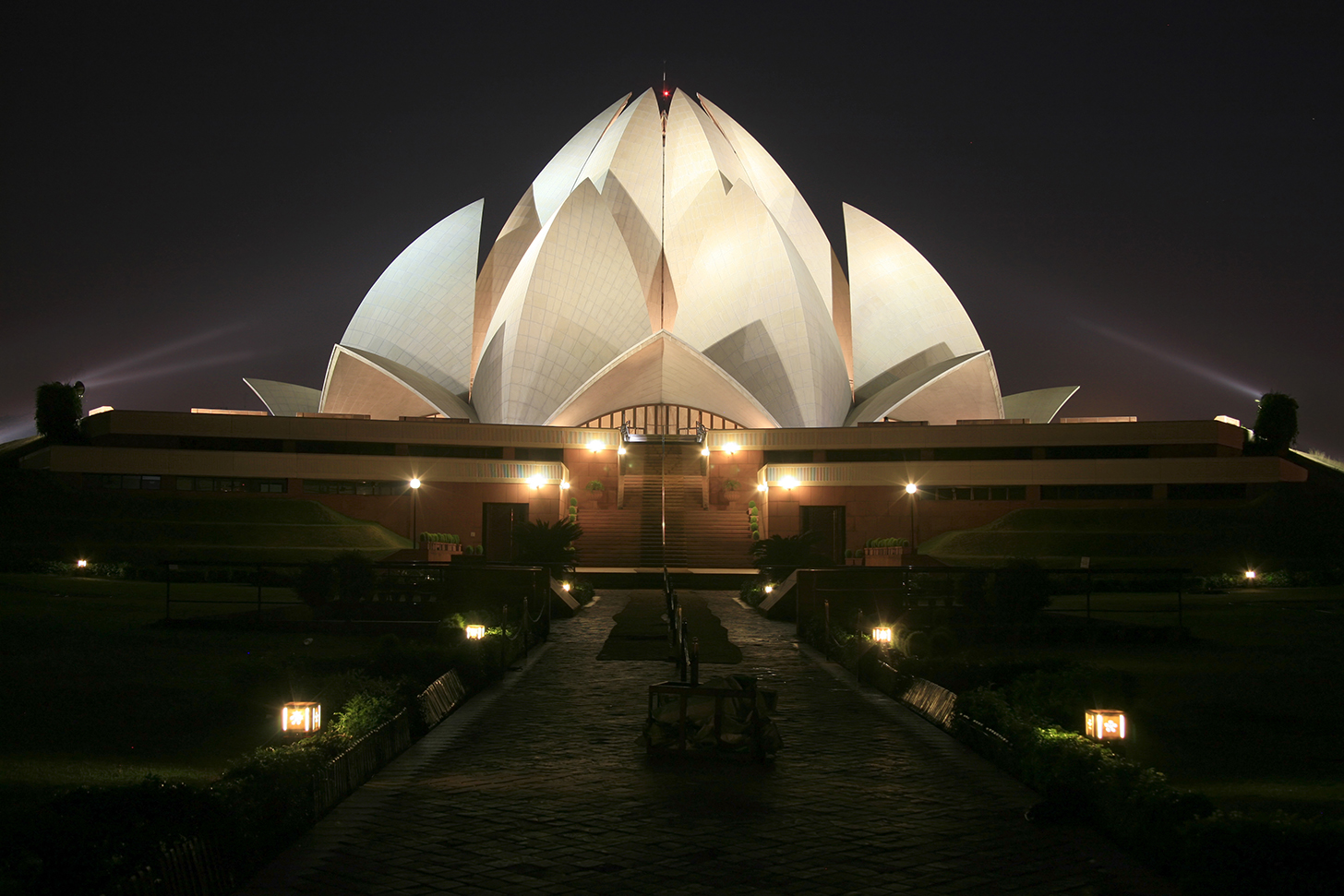
When people think of India, the Taj Mahal is the first structure that comes to mind. However, there is one other architectural marvel that is not quite as famous but exudes beauty and elegance.  The Lotus Temple located in New Delhi is a house of worship for the Bahá’í faith.  The structure was built in accordance to the religion’s requirement, 9 sides in a circular shape.

Image source: happytovisit.com

The Burj Khalifa, located in Dubai, is hard to photograph if you don’t have the right camera.  Towering at a height of 2,717 feet, this 162 floor building holds spaces for offices, residences, restaurants, and an Armani hotel.  What’s even more amazing is that this marvel only took 5 years to finish.

Lastly, London’s The Shard was introduced to the people during the 2012 Summer Olympics.  Inspired by church steeples, the structure is comprised of eight glass facades that have transformed the London skyline.

Image source: galvanizedrebar.com

Hi, I’m John Eilermann and I live in St. Louis, Missouri. I’m an architecture student who’s fortunate enough to be based in a city where there is an abundance of great architecture. The ability of architecture to make the utilitarian and aesthetic ends meet amazes me. For more insightful articles on modern architecture, visit this website.